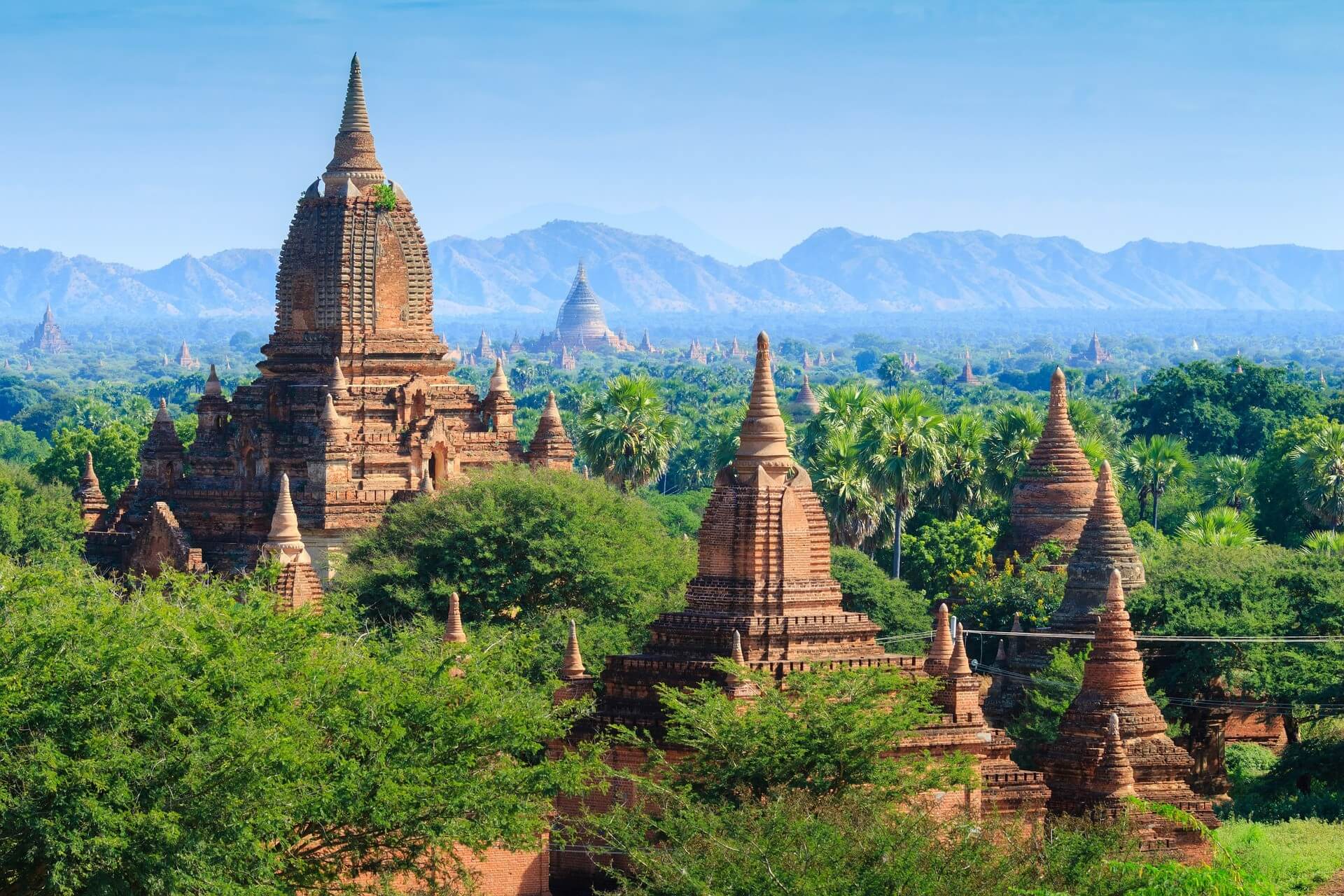
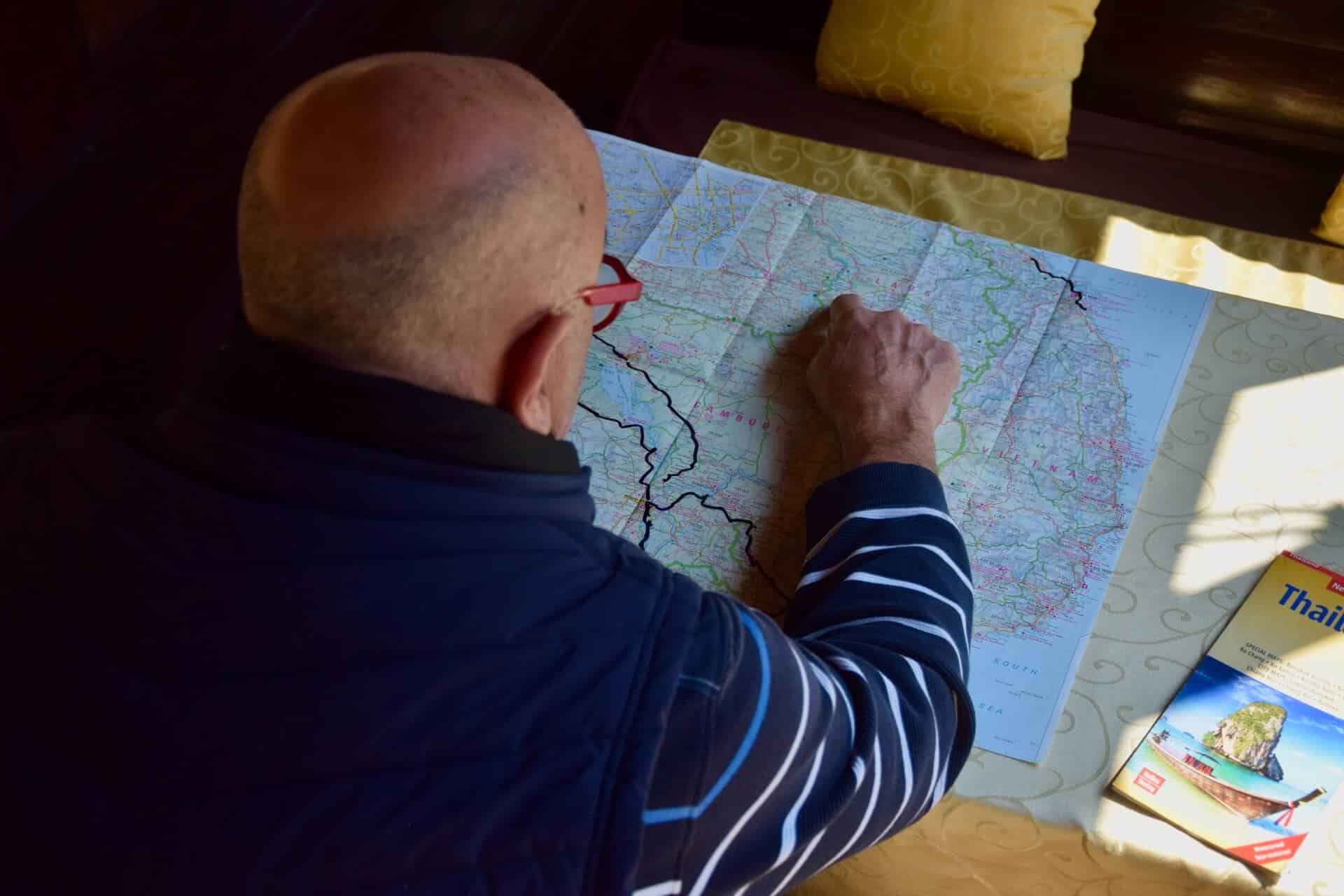
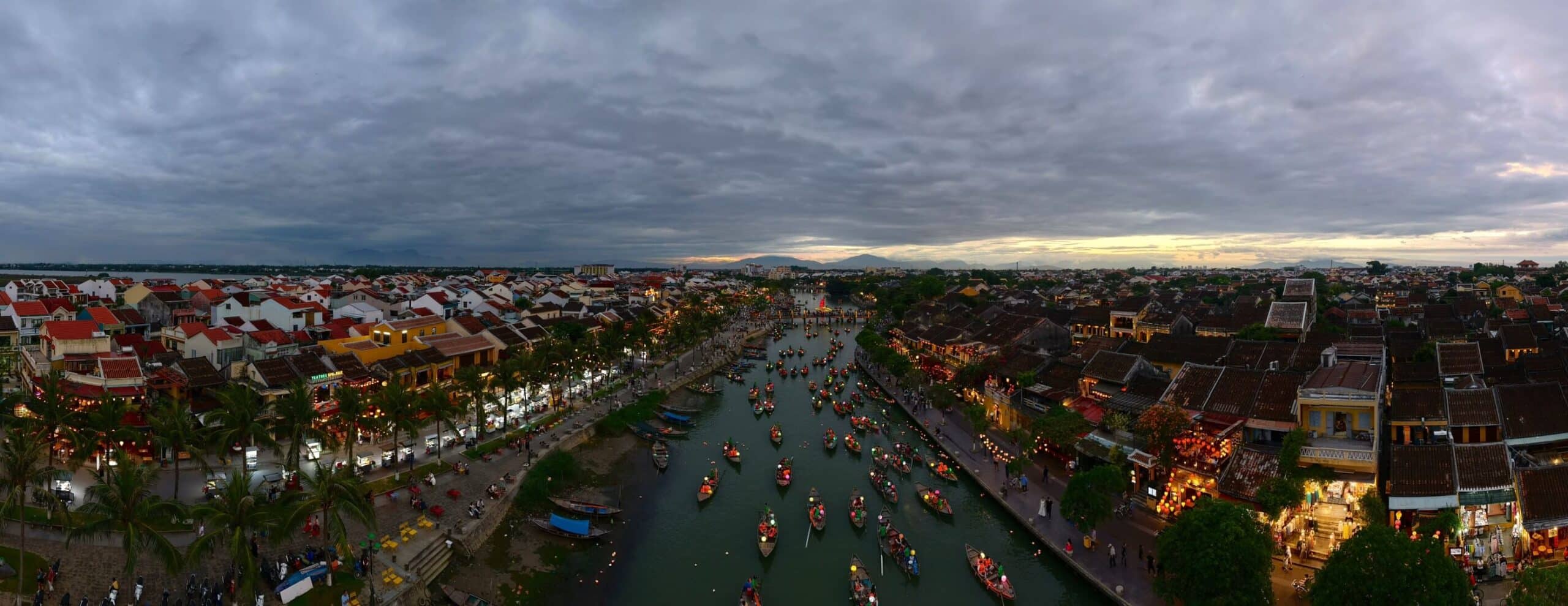
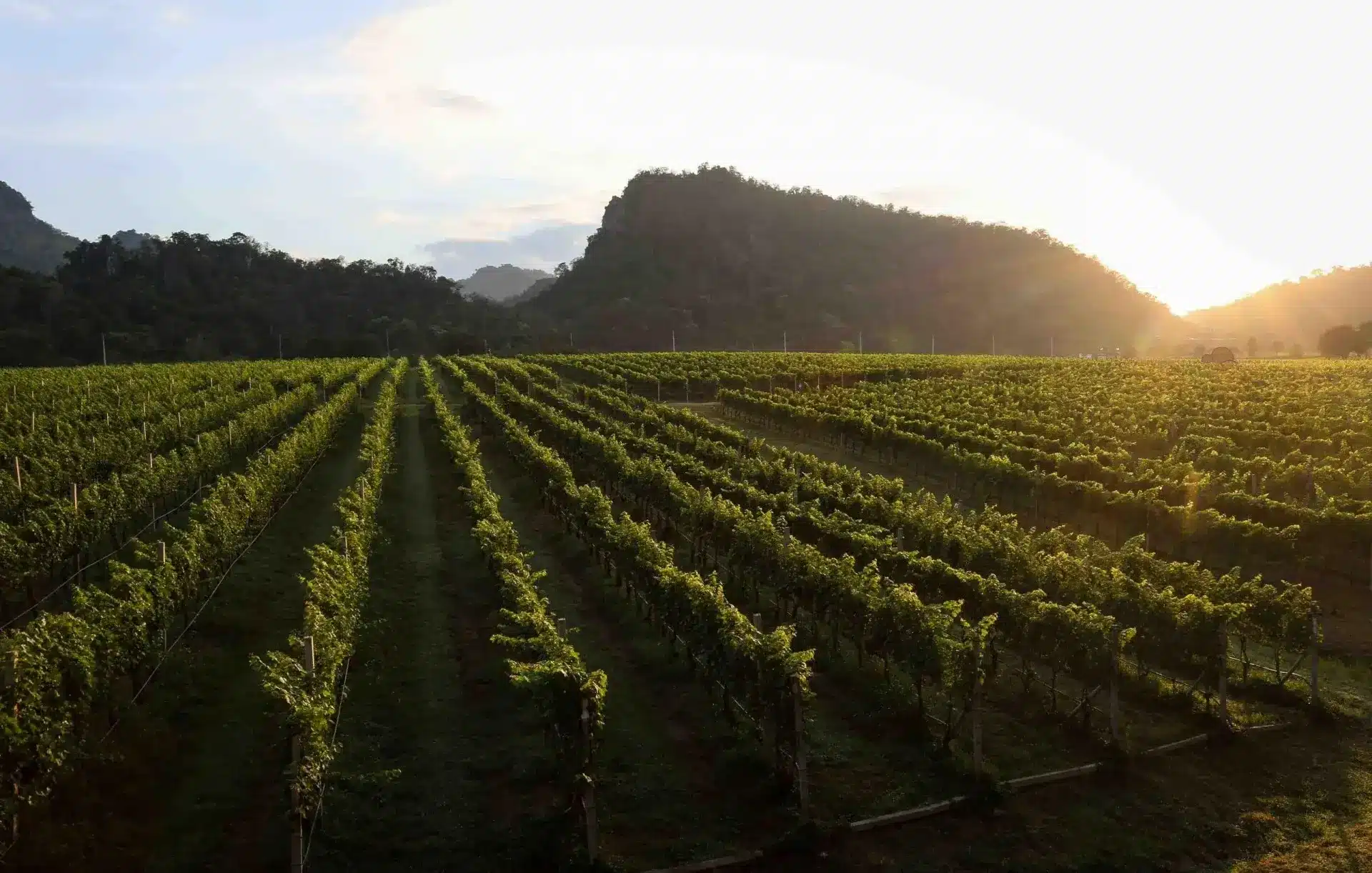
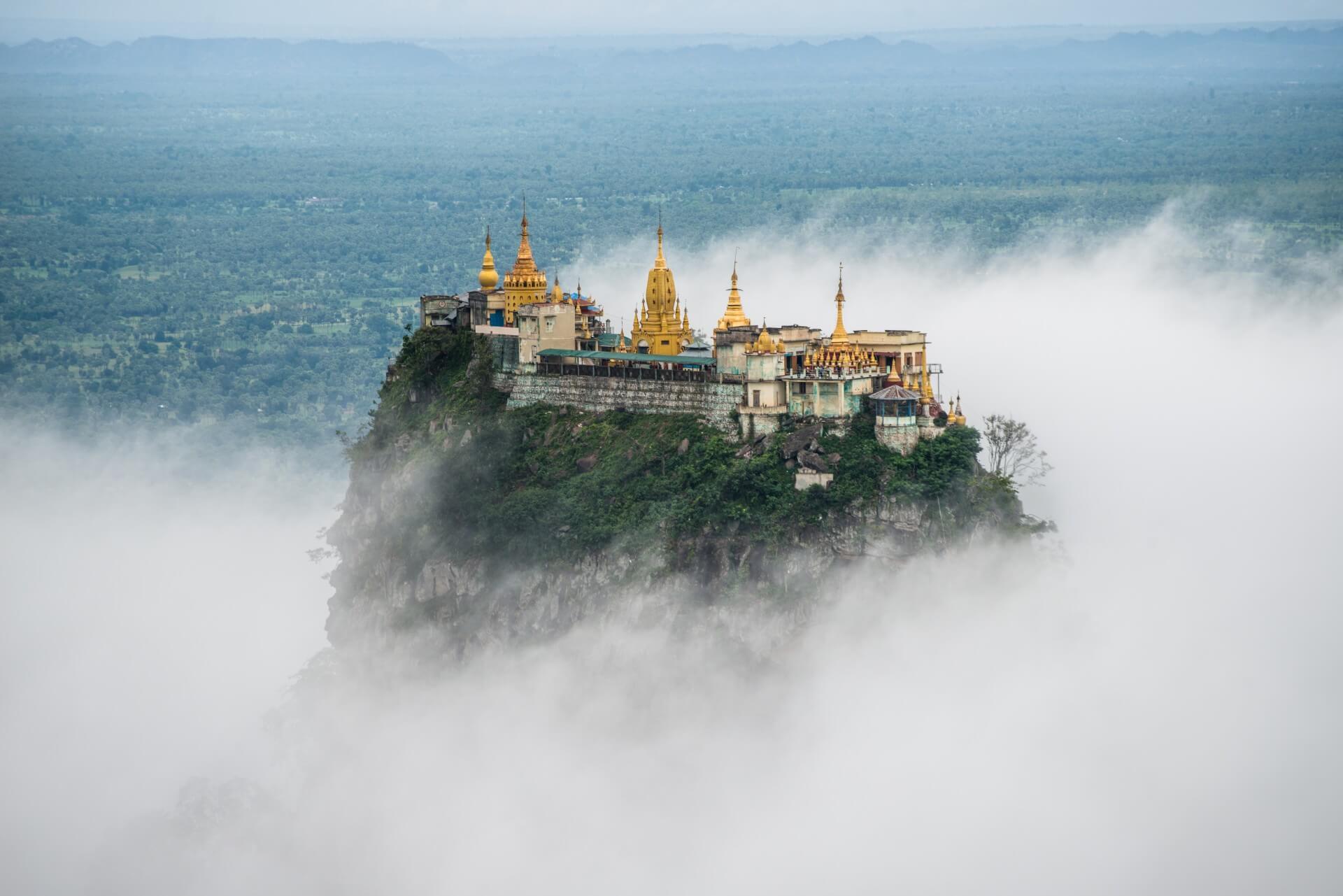
At dawn, a light mist drifts between the hills while the bells of temples echo softly. Visiting Chiang Mai means entering a different rhythm, far from the bustle of Bangkok. Here, golden light brushes the rooftops of sanctuaries, the streets awaken slowly, and the city breathes serenity.
The cultural capital of the North, Chiang Mai—nicknamed the Rose of the North—is the refined heir of the Lanna Kingdom. Between ancestral traditions and contemporary creative energy, it reveals a unique identity: centuries-old temples nestled in the heart of the city, ancient craftsmanship passed down from generation to generation, lively markets filled with the scent of spices and flowers, and generous nature surrounding the city like a jewel.
Here, visiting Chiang Mai is not about ticking off famous landmarks. It is about taking time to understand, to feel, and to connect. Each neighborhood tells a story, each encounter reveals a different facet of the city. From the narrow streets of the old town to the lush surrounding mountains, Chiang Mai invites travelers to experience a slower, deeper journey.
An ideal gateway to the north of the country, the city naturally fits into our northern Thailand itineraries, designed to discover another side of the kingdom through living culture and authentic immersion.
The Soul of Chiang Mai: Between Temples and Traditions
The Legacy of the Lanna Kingdom
Founded in 1296, Chiang Mai was for centuries the capital of the Lanna Kingdom, an independent realm whose cultural influence still deeply shapes the identity of the north of Thailand. Here, history is not only read in books: it is felt at every step, in the subtle balance between spirituality, craftsmanship, and lifestyle.
The most visible heritage lies in Lanna architecture: temples with elegant lines, layered roofs, finely carved wooden sculptures, and murals recounting ancient Buddhist stories. Unlike temples in central Thailand, those in Chiang Mai offer a more intimate, almost meditative atmosphere—reflecting a Buddhism deeply rooted in daily life.
But Lanna culture goes far beyond ancient stones. It lives through the monks who continue rituals, the artisans who still work lacquer, wood, and silk using techniques passed down for generations, and the traditional festivals that punctuate the year. This cultural continuity gives Chiang Mai a unique soul, ideal for travelers seeking meaning and authenticity—discoverable through our tailor-made trips in Thailand, designed to reveal this cultural depth without artifice.
Must-See Temples
Among the temples to visit in Chiang Mai, several places embody the spiritual soul and history of the city. Here, temples are not just monuments—they are living spaces shaped by prayers, offerings, and the daily life of monks.
Perched on the mountainside, Doi Suthep overlooks the valley from more than 1,000 meters above sea level. After climbing the 309 steps lined with golden naga serpents, the panorama opens across the entire Chiang Mai plain. At dawn, when the chants of monks echo through the cool air, the experience takes on a deeply spiritual dimension.
In the heart of the old city, Wat Chedi Luang impresses with the power of its partially ruined chedi. This monumental vestige of the Lanna Kingdom carries a solemn, almost timeless atmosphere. The quiet presence of monks reminds visitors that it remains above all a living religious center.
More intimate, Wat Phra Singh embodies the elegance of Lanna architecture. Its refined lines, revered Buddha image, and peaceful atmosphere make it a perfect place for contemplation and connection with the spiritual life of the locals.
For further inspiration, consult our detailed guide to Chiang Mai’s temples. Beyond temples, the city pulses with a unique creative and artisanal energy.
Authentic Experiences in Chiang Mai
Markets and Local Life
During a visit to Chiang Mai, markets are often the first contact with the city’s real rhythm. In the evening, the night markets of the old town slowly come alive: stalls selling local handicrafts, hand-dyed fabrics, silver jewelry, and small eateries where students, families, and travelers mingle in a relaxed atmosphere. Here, people stroll more than they shop, carried by music, warm lights, and spontaneous conversations.
At dawn, Chiang Mai reveals a completely different face in neighborhood markets. These morning markets, frequented almost exclusively by locals, reveal authentic daily life: baskets overflowing with fresh herbs, tropical fruits still covered with dew, and the scent of spices and dishes being prepared. Exchanges are simple and often accompanied by smiles.
Northern Cuisine: Unique Flavors
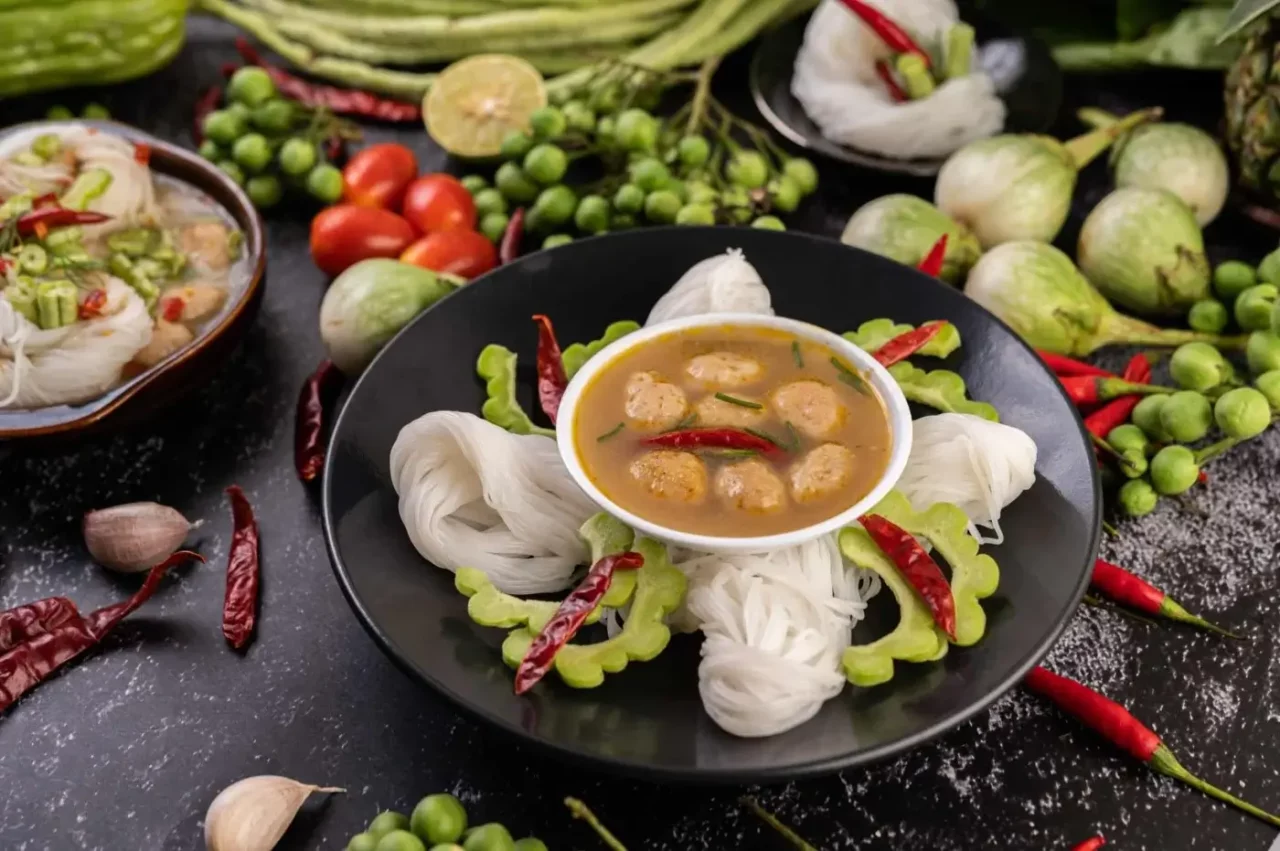
Northern Thai cuisine immediately stands apart from the rest of the country thanks to its Burmese and Chinese influences, milder spices, and generous dishes meant to be shared. In Chiang Mai, eating is an integral part of the cultural experience.
One cannot miss Khao Soi, the city’s signature dish: egg noodles served in a creamy coconut curry broth, topped with crispy noodles. Another emblematic specialty is Sai Oua, a sausage flavored with herbs, lemongrass, and kaffir lime leaves. Food lovers will also appreciate Nam Prik Ong, a spicy dip served with fresh vegetables.
Beyond tasting, Asiajet also offers traditional cooking classes hosted by locals in small groups. Participants learn to recognize spices, prepare curry pastes by hand, and then share the meal in a warm and simple atmosphere.
Artisan Encounters
Chiang Mai is often considered the capital of Thai craftsmanship, a living heritage passed down through generations. Around the city, artisan villages tell this story every day.
In Bo Sang, hand-painted umbrellas dry in the sun along quiet streets, while in San Kamphaeng silk is still woven on traditional looms. These visits invite travelers to slow down and understand the time required to create meaningful objects.
Ethical Elephant Sanctuaries

Chiang Mai is one of the best starting points to experience a respectful encounter with Asian elephants—provided you choose ethical sanctuaries dedicated to their protection. Here there are no shows or elephant rides. Instead, the experience focuses on observation, feeding, and walking alongside the animals in their natural environment.
Asiajet collaborates with respected sanctuaries such as Elephant Nature Park and New Elephant Home. A day spent there offers the chance to understand the history of these gentle giants and observe their behavior in semi-freedom.
Nature and Mountains of the North
Trekking and Mountain Villages
Beyond the city, visiting Chiang Mai also means discovering generous nature and meaningful encounters just a few hours away. The surrounding mountains offer accessible trekking routes lasting from one to three days.
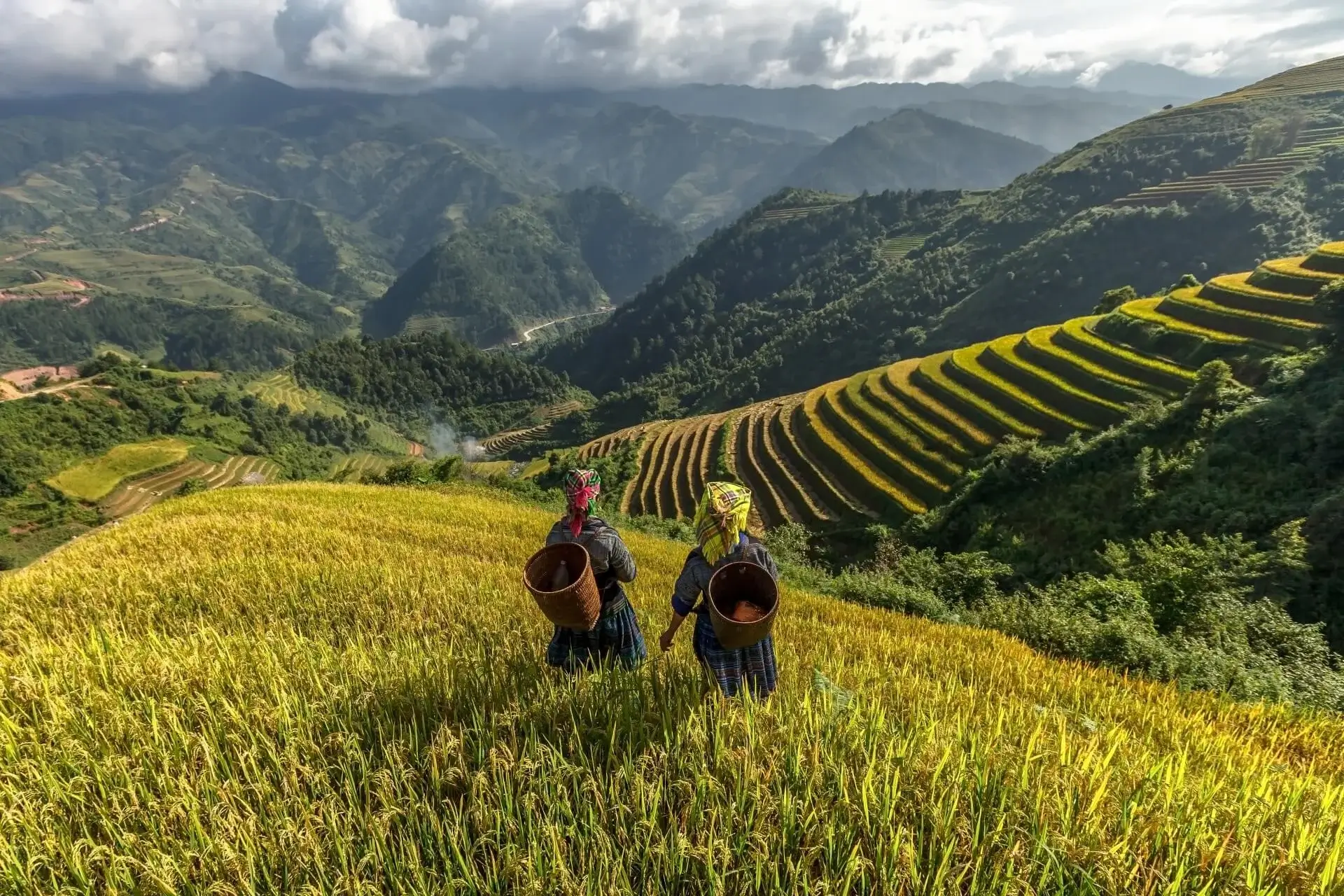
These trails wind through jungle landscapes, waterfalls, and rice terraces, leading to mountain villages inhabited by ethnic communities such as the Karen, Lisu, and Akha. Travelers may share meals, observe daily life, and spend the night in simple but welcoming homes.
Guided by English-speaking guides and committed local experts, these treks emphasize cultural immersion rather than physical performance.
Doi Inthanon National Park
About two hours away, Doi Inthanon, Thailand’s highest peak at 2,565 meters, offers a completely different landscape. Here, the air becomes cooler and mist wraps around mountain forests.
At the summit, the royal pagodas dedicated to the King and Queen rise above the clouds. The park is best explored during a day trip from Chiang Mai, combining short hikes, viewpoints, and nature breaks.
After exploring, Chiang Mai also offers moments of relaxation and well-being.
When to Visit Chiang Mai?
Choosing when to visit Chiang Mai depends on the type of experience you seek. The climate of the north of Thailand offers different atmospheres throughout the year.
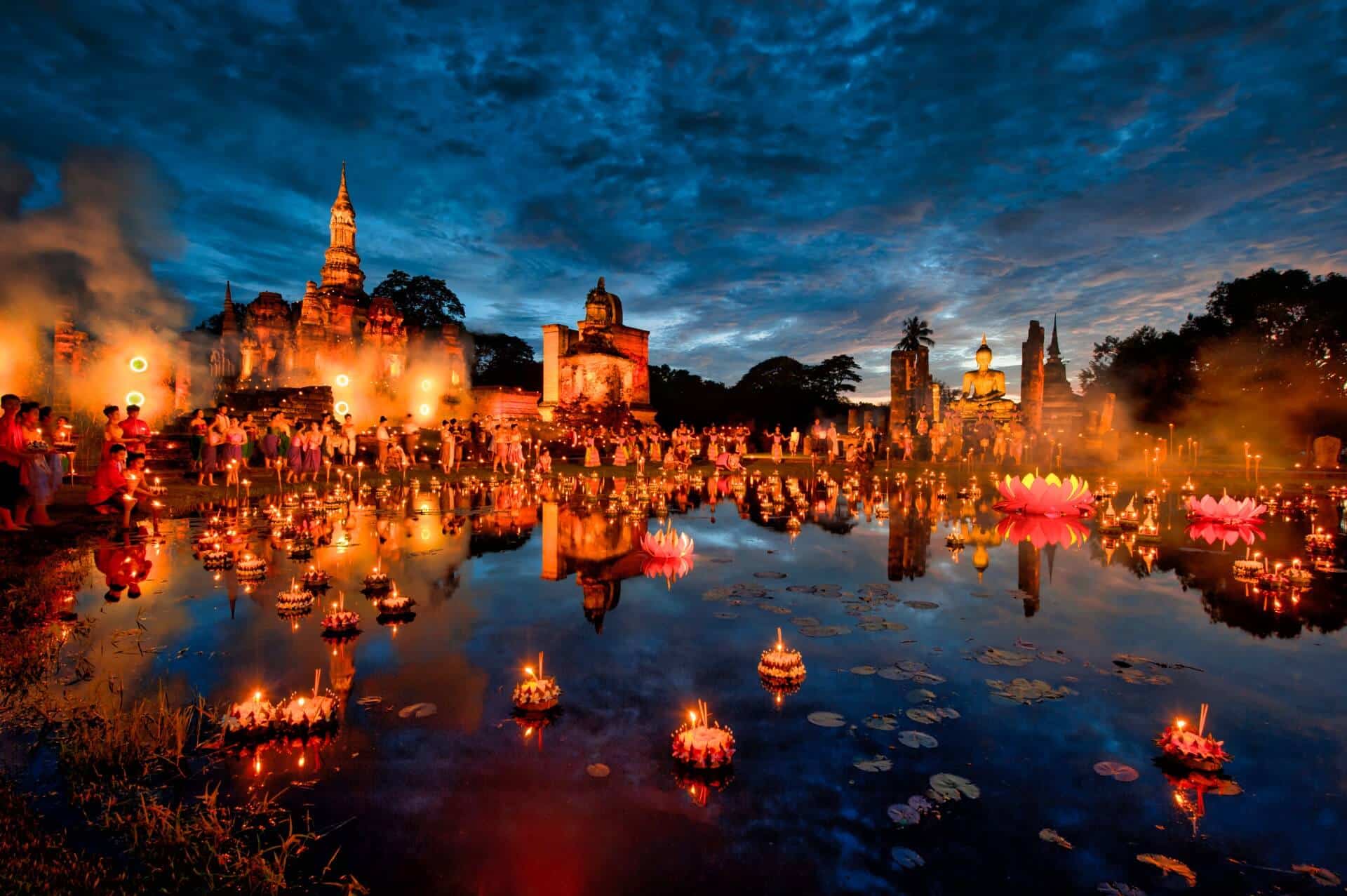
The period from November to February is generally considered the most pleasant. Temperatures range between 15°C and 25°C with clear skies—ideal for temple visits and mountain trekking. November also hosts Loy Krathong and Yi Peng, when floating lanterns illuminate rivers and the night sky.
The hot season from March to May brings temperatures above 35°C. However, the festive atmosphere of Songkran—the Thai New Year celebrated with joyful water fights—makes April a memorable time to visit.
The rainy season from June to October transforms the region into a lush green landscape. Showers are usually short and concentrated in the late afternoon, leaving vibrant rice fields and spectacular waterfalls.
Organizing Your Stay in Chiang Mai with Asiajet
At Asiajet, our expertise in Chiang Mai is based on continuous local presence since 1993. Our English-speaking team knows the city beyond classic itineraries: discreet neighborhoods, temples frequented by locals, trusted artisans, and experiences at the best times of day.
Every tailor-made journey begins with listening to your preferences. Cultural immersion, nature exploration, wellness, or slow travel—your itinerary is designed around your interests.
Our support covers every step of your journey: charming accommodations, exclusive experiences, and transport coordination. On site, you benefit from 24/7 English-speaking assistance. Committed to responsible tourism, we are Travelife certified.
Discover our tailor-made journeys and explore Chiang Mai with those who know it best.
Conclusion
Visiting Chiang Mai means slowing down and seeing the world differently. Between ancient temples, lively markets, and misty mountains, the Rose of the North reveals a more intimate and spiritual side of Thailand.
This destination deserves time and curiosity. At Asiajet, we believe Chiang Mai truly reveals itself when explored through a tailor-made itinerary adapted to your rhythm and interests.
Share your travel ideas with us: a first conversation is enough to begin designing your Chiang Mai journey. Contact our experts to start planning your next adventure.